Native Features
The features that make an app an app · push notifications, biometrics, deep links, camera and native OAuth · and how each one is actually wired.
How Native Features Increase Ecommerce App Conversion Rates
Ecommerce app conversion rates typically outperform mobile web because native features like Face ID, Touch ID, and Push Notifications remove checkout friction. By leveraging hardware integration, native apps drive higher retention and faster checkouts for Shopify and Magento stores compared to standard mobile browsers.
Read article
How to Convert Your AI Web Project into a Native Mobile App
To convert an AI web app to a native app, you must wrap your web code in a native container like Capacitor to create .ipa and .aab binaries. This allows your AI project to access mobile hardware, send push notifications, and be published on the Apple App Store and Google Play Store.
Read article
How to Convert Your Google AI Studio Project into a Native Mobile App
To convert a Google AI Studio app to a native app, you must wrap your web-based project in a native bridge like Capacitor or use Android Studio's porting tools. While AI Studio can export Kotlin code for Android, achieving a cross-platform iOS and Android presence requires integrating native APIs like push notifications and biometrics to pass App Store review.
Read article
The Best Build Natively Alternative: One-Time Fee vs Subscriptions
The best Build Natively alternative is KW Native, which offers a one-time fee starting at £399 and full source code ownership. Unlike Build Natively’s $19/month subscription model, KW Native delivers a real Capacitor-based binary and a GitHub repository, ensuring you own your app's IP without recurring software costs.
Read article
How to Convert Salesforce Experience Cloud into a Native iOS & Android App
To convert Salesforce Experience Cloud into a native app, you wrap the site URL in a native container like Capacitor to create .ipa and .aab binaries. This enables native features like Face ID and push notifications while allowing distribution through the Apple App Store and Google Play under your own developer accounts.
Read article
App Analytics for Webview Apps: What You Can and Can't Track
App analytics for webview apps work by combining existing web tracking (like GA4) with native SDKs via a bridge like Capacitor. While web tools track page views and clicks, native bridges are required to track app installs, push notification opens, and biometric logins. This hybrid approach ensures full visibility across both web and native layers.
Read article
App Store Optimization (ASO) Checklist for Webview-Based Native Apps
App store optimization for webview apps involves optimizing metadata, creative assets, and technical performance to rank hybrid apps in the Apple App Store and Google Play. While the core content is web-based, success depends on native-like speed, high ratings, and strategic keyword placement in the app's title, subtitle, and descriptions.
Read article
How to Monetize Your Webview App: Native Plugins & Strategies
To monetize a webview app, you must integrate native plugins like `@capacitor-community/in-app-purchases` or Google AdMob rather than relying solely on web checkouts. Digital products must use Apple and Google billing systems to comply with store guidelines.
Read article
Biometric Authentication for Webview Apps: Face ID & Touch ID Guide
Biometric authentication for webview apps enables Face ID and Touch ID by using a native bridge like Capacitor to access device hardware. This allows hybrid apps to verify users securely through system-level prompts, replacing manual password entry with seamless fingerprint or facial recognition while keeping sensitive data within the device's secure enclave.
Read article
How to Convert Your Bettermode (Tribe) Community into a Native Mobile App
To convert your Bettermode community into a native mobile app, you can use a hybrid framework like Capacitor to wrap your responsive web URL into a native binary (.ipa for iOS and .aab for Android). This process allows you to distribute your community through the Apple App Store and Google Play Store, enabling critical features such as push notifications, biometric login, and Apple Sign In.
Read article
How to Convert Your Magento (Adobe Commerce) Store into a Native App
To convert Magento (Adobe Commerce) to a mobile app, use a native bridge like Capacitor to wrap your responsive storefront into a native binary. This allows you to retain your existing extensions and logic while adding native features like push notifications and Face ID. KW Native offers this as a one-time fee service starting at £399.
Read article
How to Get App Store Ratings and Reviews for Your New Native App
To get App Store ratings and reviews for your new native app, you should implement native system prompts like iOS's SKStoreReviewController and Android's In-App Review API. Trigger these prompts after positive user milestones to maximise conversion while staying compliant with Apple and Google guidelines.
Read article
How to Increase the Speed and Performance of Your Webview App
To increase webview app performance, you must optimise your web assets, implement aggressive caching via service workers, and use a high-performance bridge like Capacitor. Reducing JavaScript execution time and using native UI components for complex interactions eliminates the "lag" typically associated with web-based mobile applications.
Read article
How to Install an IPA on iOS: A Guide for Testing Your Native App Build
To install an IPA on an iOS device, you must use Apple Configurator, Xcode, or TestFlight. Unlike Android, iOS requires every IPA file to be signed with a valid developer certificate and provisioned for the specific device's UDID before it can be installed via a wired connection or wireless beta platform.
Read article
How to Convert Your Claude-Generated Web App into a Native Mobile App
To build a mobile app with Claude Code, you first generate a responsive web application using Anthropic's CLI tool and then use a framework like Capacitor to wrap the code into native iOS and Android binaries. While Claude handles the logic, you need a native bridge for features like push notifications and Face ID to pass App Store review.
Read article
How to Turn Your Internal Web Portal into a Native Employee App
To build a mobile app for employee engagement, the most efficient method is converting your existing responsive web portal into a native iOS and Android app using Capacitor. This allows you to retain your current web workflow while adding essential native features like push notifications, Face ID login, and home screen presence to drive daily usage.
Read article
Convert Website to App Cost: One-Time Fee vs. Subscriptions
To convert a website into an app, the cost typically ranges from a $19/month subscription to a one-time fee between £399 and £899. While subscriptions offer low entry costs, one-time fee models provide full source code ownership and eliminate recurring "app taxes" that can exceed $1,000 over several years.
Read article
How to Convert Your Wix Website into a Native iOS & Android App
To convert a Wix website into an app, you use a native bridge like Capacitor to package your URL into iOS and Android binaries. This allows you to publish to the App Store and Google Play while accessing native features like push notifications and Face ID without rebuilding your site from scratch.
Read article
How to Convert Your Fourthwall Site into a Native iOS & Android App
To convert your Fourthwall site into a native app, you can use a conversion service like KW Native to package your URL into iOS and Android binaries using Capacitor. This allows you to publish a branded app to your own App Store accounts with native features like push notifications and Face ID for a one-time fee.
Read article
How to Convert a SharePoint Site into a Native Mobile App for Employees
To convert a SharePoint site to an app, you must wrap the responsive web portal into a native container like Capacitor. This allows you to distribute a branded .ipa or .aab file via the App Store or Google Play, enabling native features like push notifications and Face ID that standard mobile browsers cannot provide.
Read article
How to Convert Your Netlify Web App into a Native Mobile App
To convert a Netlify app to a native app, you must wrap the web project in a native container like Capacitor to generate .ipa and .aab binaries. This process involves integrating native APIs for push notifications and biometrics, then submitting the compiled code to the Apple App Store and Google Play Store under your own developer accounts.
Read article
How to Convert Your Squarespace Website into a Native Mobile App
To convert a Squarespace website into a native app, you must wrap your site's URL in a native container like Capacitor to create .ipa and .aab files. This allows your site to be published on the Apple App Store and Google Play Store with native features like push notifications and Face ID.
Read article
How to Set Up Firebase Push Notifications in Capacitor Apps
Capacitor push notifications via Firebase require configuring Apple Push Notification service (APNs) for iOS and Google Play Services for Android. This involves installing the @capacitor/push-notifications plugin, setting up .p8 certificates in the Apple Developer Portal, and configuring the Firebase Cloud Messaging (FCM) SDK to handle token registration and background messaging.
Read article
How to Convert Your Replit Project to a Native iOS App
To convert a Replit project to a native iOS app, you must wrap your web application in a native container like Capacitor. This process creates a real .ipa binary that can access iOS features like push notifications and Face ID, ensuring your app meets Apple’s Guideline 4.2 for the App Store.
Read article
How to Get Real Push Notifications for Your Web App on iOS and Android
To get real push notifications for a web app on iOS, you must wrap the app in a native container like Capacitor to access Firebase Cloud Messaging (FCM). While iOS supports basic web push for PWAs, native integration provides reliable background delivery, app icon badges, and custom sounds that web-based alerts cannot match.
Read article
How to Convert Your Supabase Web App to Native iOS & Android
To convert a Supabase app to a mobile app, you must wrap your web frontend in a native runtime like Capacitor. This allows you to access native APIs, implement Face ID, and publish to the App Store. While you can use subscription wrappers, a one-time conversion provides full code ownership and better performance.
Read article
Capacitor vs. Expo: Which is Best for Converting Your Web App?
Capacitor is the best choice for converting an existing web app because it allows you to reuse 100% of your web code, whereas Expo requires a complete UI rewrite using React Native components. Capacitor acts as a native bridge for your existing site, while Expo is a framework for native-first development.
Read article
Convert Bubble.io to Native App: Get the Source Code & Ownership
To convert Bubble.io to a native app with source code, you must use a Capacitor-based bridge rather than a closed wrapper. This allows you to export the iOS and Android project files to a GitHub repository. Unlike subscription wrappers, this method ensures you own the code, the native binaries, and the App Store listings.
Read article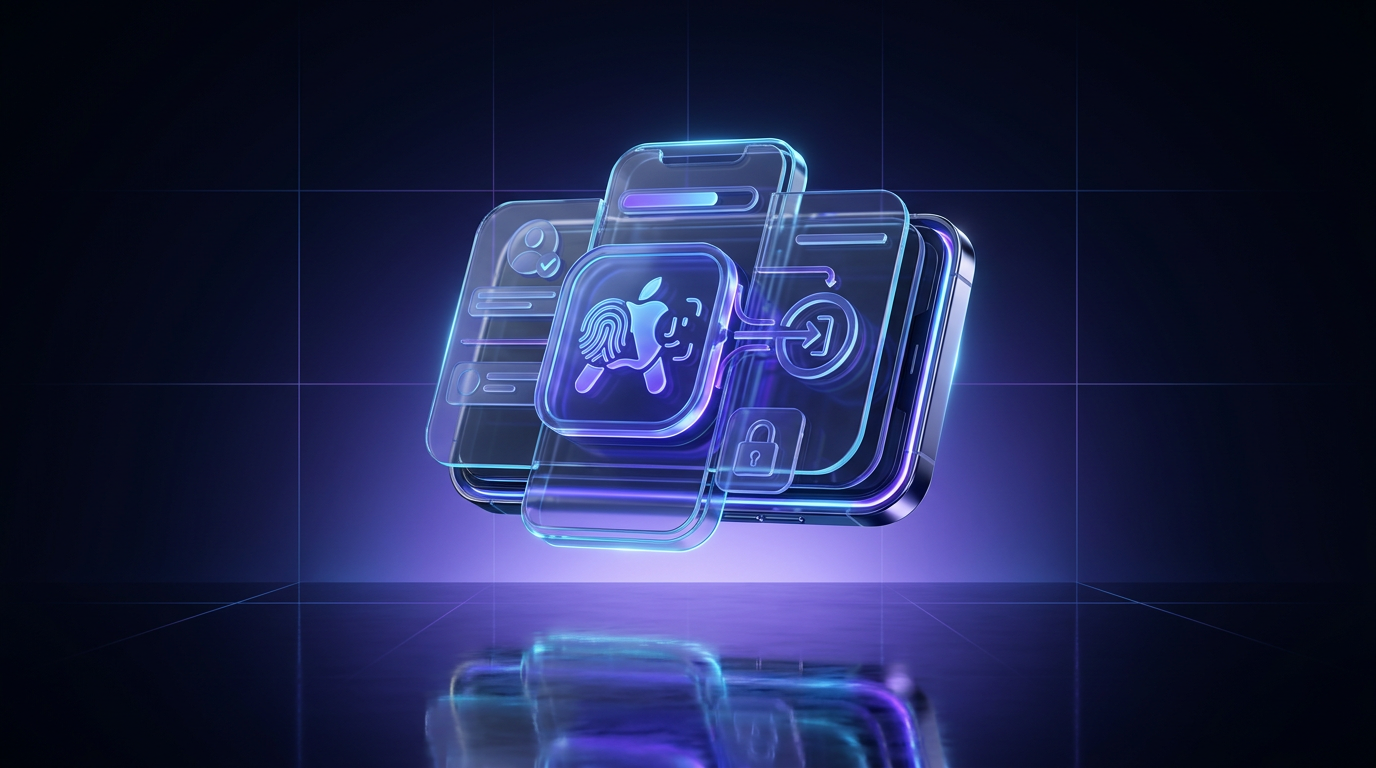
Implementing Apple Sign In for Native Web App Conversions
Apple Sign In is mandatory for iOS apps that offer social login options, as per App Store Guideline 4.8. For web app conversions using Capacitor, this requires native plugin integration and backend JWT validation to ensure a first-time approval.
Read article
Capacitor vs. PWA: Why Real Native Apps Win for UX and Retention
A native app built with Capacitor is superior to a PWA because it provides access to the App Store, enables reliable push notifications, and supports native biometrics like Face ID. While PWAs are cheaper to build, Capacitor apps offer higher user trust and better retention through a real native presence.
Read article
Convert WordPress to Native iOS & Android: No Subscriptions
You can convert WordPress to a native iOS and Android app for a one-time fee by using a professional conversion service like KW Native. Instead of monthly subscriptions, you pay once for native binaries (.ipa and .aab), full source code ownership, and integrated features like push notifications and biometrics, ensuring your app remains independent of third-party platforms.
Read article
How to Convert Your Vercel Deployed Web App to Native iOS & Android
To convert your Vercel deployed web app to native iOS and Android, you must wrap your web URL in a native container using Capacitor and integrate native APIs like push notifications and biometrics to satisfy Apple's Guideline 4.2. Learn the step-by-step process, costs, and how to avoid common App Store rejections.
Read article
The Best Wuappi Alternative: One-Time Fee Native App Conversion
KW Native is the premier Wuappi alternative for founders seeking a one-time fee model instead of a subscription. Unlike automated wrappers, we provide full source code, a private GitHub repository, and real native binaries built with Capacitor, ensuring you own your app entirely without recurring monthly costs.
Read article
How to Convert Your Web App to a Google Play Store App
To convert your web app to a Google Play Store app, you must package your web code into an Android App Bundle (.aab) and submit it via the Google Play Console. Learn how to use Capacitor to create a real native binary with a one-time fee.
Read article
Convert Shopify to Native iOS & Android App: No Monthly Subscriptions
Stop paying monthly fees to rent your own app. Convert your Shopify store into a real native iOS and Android app for a one-time fee of £599. Own your source code, bypass Guideline 4.2, and launch in 12 days.
Read article
Stop Paying Subscriptions: Why a One-Time Fee for Native App Conversion is Better
Stop paying monthly for your mobile app. Learn how a one-time fee for native app conversion saves thousands, ensures ownership of your source code, and bypasses vendor lock-in.
Read article
App Store Connect Guide: How to Prepare Your Web App for Submission
Navigating App Store Connect is the final hurdle for web app founders. Learn how to prepare your metadata, avoid Guideline 4.2 rejections, and submit your native binary for a successful iOS launch.
Read article
How to Convert Your Lovable Web App to iOS and Android (Native)
Transform your Lovable web app into a native iOS and Android app. This guide covers Capacitor integration, passing Apple Guideline 4.2, and why a one-time fee beats a subscription.
Read article
How to Convert Your Cursor Web App to Native iOS & Android
Convert your Cursor AI web app into a native iOS and Android app. Learn the technical steps for Capacitor integration and how to avoid App Store rejection.
Read article
Apple Guideline 4.2 Rejections: How to Turn Your Web Link into a Native App
Struggling with Apple Guideline 4.2? Learn how to transform your web app into a native iOS and Android app that passes review using Capacitor, native APIs, and push notifications.
Read article
How to Convert Your Bolt.new (StackBlitz) Web App to Native iOS and Android
Convert your Bolt.new (StackBlitz) web app to native iOS and Android apps. Learn how to export your code, integrate Capacitor, and satisfy Apple Guideline 4.2 for a successful App Store launch.
Read article
How to Convert Your Webflow Site into a Native iOS & Android App
Convert your Webflow site into a real native iOS and Android app. Learn about Capacitor, push notifications, and how to pass Apple Guideline 4.2 with a one-time fee model.
Read article
Convert Bubble to iOS & Android: One-Time Fee Native Apps
Convert your Bubble.io app to native iOS and Android for a one-time fee. Own your source code, avoid subscriptions, and get into the App Store in 12 days.
Read article
Mobile App Development: The Fastest Way to Turn Web Apps into Native Apps
Turn your web app into a native iOS and Android app in as little as 5 days. Learn about Capacitor, one-time pricing vs subscriptions, and how to pass Apple's Guideline 4.2.
Read article
Shopify App Store: Launch Your Store as a Native App
Stop paying monthly subscriptions for your Shopify mobile app. Convert your store into a native iOS and Android app for a one-time fee, own your source code, and launch in as little as 7 days.
Read article
How to Convert Your Replit Project into a Native Mobile App
Stop letting your Replit project live only in the browser. Convert your web app into a real native iOS and Android app with KW Native. One-time fee, full source code ownership, and guaranteed App Store approval.
Read article
Capacitor vs. React Native: The Best Way to Convert Your Web App?
Choosing between Capacitor and React Native depends on your starting point: if you have an existing web app, Capacitor is the most efficient path because it allows you to reuse 100% of your code.
Read article
Ship a Lovable app to the App Store | full guide
Lovable ships web apps, so publishing to the App Store means wrapping the live site in a Capacitor shell, adding real push, biometrics and deep links, then submitting under your own Apple and Google accounts. Target delivery: ten business days.
Read article
Deploy your vibe-coded app to the App Store
A vibe-coded app from Lovable, Bolt, v0, Cursor or Replit goes to the stores the same way any web app does · a Capacitor shell around the deployed site, native push and biometrics wired in, and a submission under your own developer accounts. No rewrite.
Read article
Turn a website into an app | 3 honest options
You have three honest options · a PWA (cheapest, no store listing, weak on iOS), a Capacitor shell (targets a real store listing in days, keeps your existing site), or a native rewrite (best performance, months of work). For most websites the shell is the right trade.
Read article
Convert a web app to a mobile app | no rewrite
Any responsive web app · React, Next.js, Angular, Vue or no-code · converts to a real iOS and Android app by wrapping it in a Capacitor shell rather than rewriting it. You keep one codebase and gain push, biometrics, camera and deep links.
Read article
Convert your Bubble app to native iOS and Android
Bubble cannot publish to the App Store on its own. Point a Capacitor shell at your Bubble app's custom domain, wire push and biometrics into the shell, and submit · your Bubble editor keeps working exactly as before and content updates need no re-review.
Read article